
Name & cultural heritage
Natasha: a Slavic name carrying grace and longevity
The name Natasha is one of those names that travel across borders and eras while keeping their poetry intact. Born of the great Slavic tradition, Natasha is the affectionate Russian form of Natalia, a name derived from the Latin natalis dies — "day of birth" — historically associated with the birth of Christ and the celebrations of Christmas.
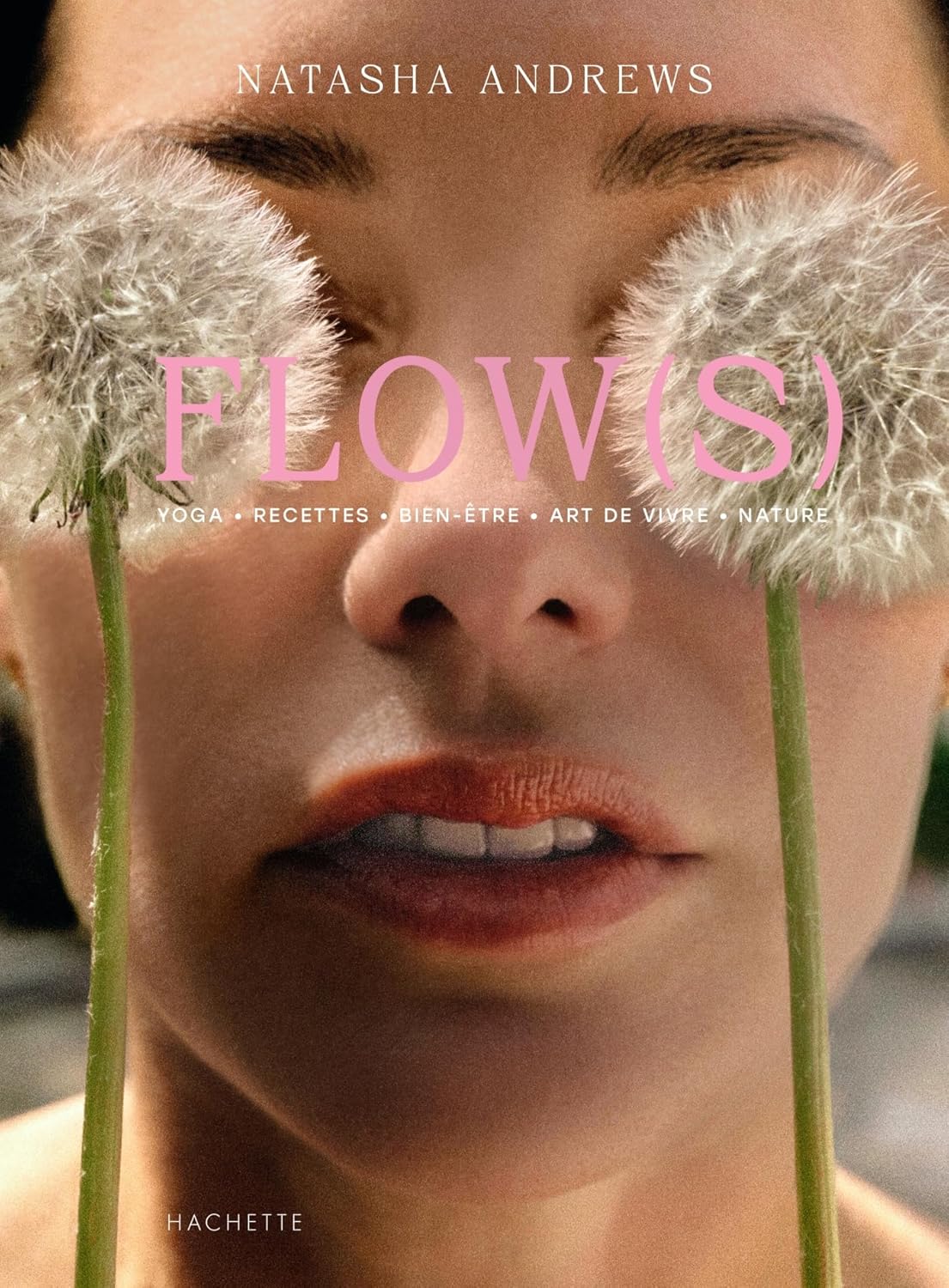
More than a simple diminutive, Natasha has become over the centuries a name in its own right, carrying a particular emotional charge. In Russian culture, pronouncing this name evokes family warmth, momentum, grace and a certain luminous melancholy — qualities also found at the heart of Flow(s), the book by Natasha Andrews, an inner journey through the seasons inviting us to reconnect with what matters.
Literary roots: Natasha Rostova
It is to Leo Tolstoy that Natasha largely owes its international fame. In War and Peace, serialised between 1865 and 1869, the Russian writer brings to life Countess Natasha Rostova, one of the most famous female characters in world literature. A vibrant, impulsive, deeply human young aristocrat, Natasha Rostova lives through the Napoleonic epic with a vitality that makes her the very symbol of the Russian soul.
To create her, Tolstoy drew on his own sister-in-law Tatiana Behrs and his wife Sophia. The novel's success was such that, by the late 19th century, the name Natasha had crossed Russia's borders to settle across Europe and then around the world. Even today, historian Orlando Figes titled his cultural history of Russia Natasha's Dance (2002), so much has this name become synonymous with the Russian spirit itself.
Three Natashas who marked the 20th century
Natasha Spender (1919-2010) was one of the great British concert pianists of her generation. Born in London, trained at the Royal College of Music and then with the great Clifford Curzon, she married the poet Sir Stephen Spender in 1941 and became, for half a century, a central figure in the literary circle gathering W. H. Auden, Christopher Isherwood, T. S. Eliot and Sir Isaiah Berlin. Forced to give up the piano after breast cancer, she brilliantly reinvented herself in the psychology of music and contributed to the prestigious Grove Dictionary of Music and Musicians.
Natasha Borovsky (1924-2012), Russian-American poet and novelist, was born in Paris to a renowned Russian pianist father, Alexander Borovsky, and a mother of Polish-Russian noble descent. Her great novel A Daughter of the Nobility (1985), translated into ten languages, traces the end of the European aristocracy swept away by the Russian Revolution and then the Second World War. The work earned her in 1986 the American Book Award, one of the most prestigious American literary awards.
Natasha Parry (1930-2015), British actress born in London to a Russian mother, made her stage debut at the age of 12 and became one of the great Shakespearean performers of the post-war years. The general public discovered her in Franco Zeffirelli's Romeo and Juliet (1968) — a film that won two Oscars and was nominated for Best Director and Best Picture. Wife of director Peter Brook, she became the muse of the Théâtre des Bouffes du Nord in Paris, where her Winnie in Beckett's Happy Days was hailed as a high point of French theatre.
Did you know?
In Russia, it is said that a Natasha never bears her name halfway: popular culture lends those who carry it a particular vivacity, generosity and loyalty — traits that resonate with the holistic philosophy championed by Natasha Andrews in Flow(s). The name also shares its feast day, August 26th, with Saint Natacha (Russian form of Nathalie), wife of Saint Adrian martyred around the year 300 in Nicomedia for her faith.
A name, an art of living
To bear the name Natasha today is to inherit an exceptional literary and artistic tradition, but also a philosophy of life turned towards vital momentum, simple beauty and connection with nature. A philosophy that author Natasha Andrews fully embodies in Flow(s), where yoga, meditation, nutrition and care rituals come together to open the paths to radiant and lasting health.